When an institution you trusted—a school, daycare, church, or youth organization—fails to protect a child from sexual abuse, the betrayal runs deep. You’re left searching for answers, trying to protect the child’s future while struggling with anger, confusion, and grief.
Facing a powerful institution can feel impossible. They often move quickly to protect their image and financial interests, not the children they were supposed to safeguard. That imbalance leaves many families feeling silenced and shut out.
That’s where we come in. Horowitz Law is a civil litigation firm devoted exclusively to representing survivors of child sexual abuse across Orlando and throughout Florida. We know how these institutions operate, and we know how to hold them accountable: through evidence, persistence, and the law.
If you believe a child in your care was harmed, reach out to our Orlando child sexual abuse lawyers for a confidential, no-cost conversation at (954) 641-2100. We’ll listen, explain your options, and help you take the next step toward justice.
Orlando Child Sexual Abuse Guide
- A Singular Focus on Justice for Survivors
- A Sobering Look at the Local Reality
- What Does It Mean to Hold an Institution Accountable?
- Connecting the Lifelong Harm to Financial Compensation
- Understanding a Civil Claim for Child Sexual Abuse in Florida
- Why You Need a Voice on Your Side
- How to Preserve Information for Your Case
- Frequently Asked Questions
- Your First Step Toward Healing and Accountability
A Singular Focus on Justice for Survivors
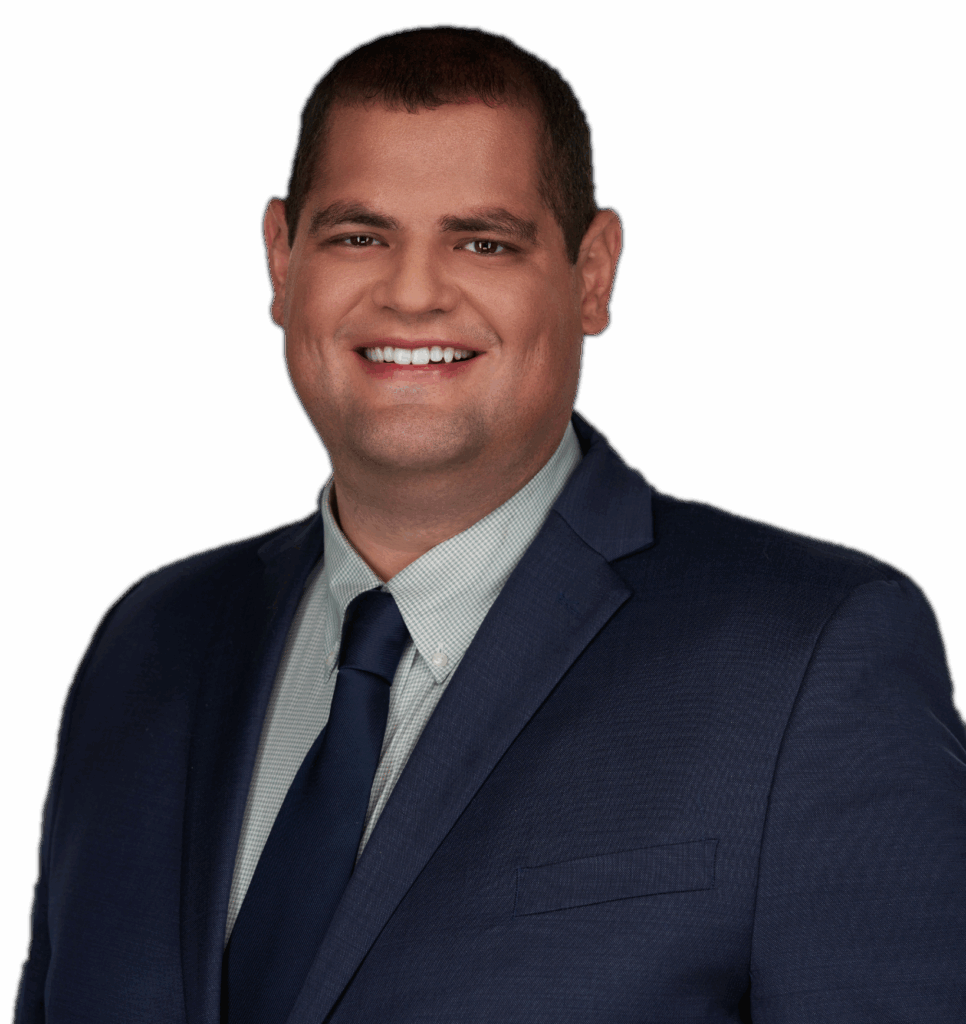
For more than 25 years, our firm, led by attorney Adam Horowitz, has dedicated its entire practice to one field: representing survivors of sexual abuse in civil lawsuits. We don’t handle car accidents or slip-and-falls. This exclusive focus provides us with a deep understanding of the sensitivities and legal hurdles involved in these cases.
Our History of Holding Institutions Accountable
We have a long and successful record of litigating against powerful organizations, including religious institutions, public and private schools, daycare chains, and national youth organizations. Our work has been instrumental in exposing predators and revealing the institutional decisions that allowed abuse to continue.
National Recognition, Florida Dedication
- Adam Horowitz has been recognized as one of the Most Effective Lawyers in South Florida for his groundbreaking work in sexual abuse litigation.
- He holds an AV® Preeminent™ Peer Review Rating from Martindale-Hubbell, the highest possible rating for legal ability and ethical standards, an honor bestowed by his peers.
- His insights are frequently sought by national media outlets like The New York Times and the Orlando Sentinel when covering these sensitive cases.
A Record of Meaningful Results
- Our firm has secured some of the nation's largest sexual abuse verdicts and settlements, including a $70 million jury verdict.
- We have represented numerous families across Florida, including the Orlando area, in cases involving abuse at schools, daycare centers, and other local institutions.
Our Commitment to You
- Free and Confidential Case Review: We provide a safe space to listen to your story without judgment and with complete confidentiality.
- No Fee Unless We Win: We operate on a contingency fee basis. This means you will not owe us anything unless we secure compensation on your behalf.
- Direct and Personalized Attention: You will work directly with our dedicated team, all of whom are educated in trauma-informed advocacy. We make certain you feel heard, respected, and supported through every step.
Our office is located at 17 E Pine St. We represent families throughout Orlando and Central Florida, offering consultations by phone, online, or in person.
A Sobering Look at the Local Reality
Child abuse is a persistent and disturbing issue in our communities.
Orange County and Florida Statistics
- In one recent year, there were 24,505 child survivors of abuse or neglect in Florida. Of those cases, nearly 12% were for sexual abuse.
- Statewide data from that year confirmed 86 child fatalities related to abuse or neglect.
- The vast majority of abuse occurs where children should be safest: at the hands of people they are supposed to trust.
Where Does Institutional Abuse Occur?
We handle cases involving institutions across the Orlando area, such as:
- Public and private schools
- Daycare centers and after-school programs
- Youth sports leagues and summer camps
- Churches and other religious organizations
- Foster care systems
What Does It Mean to Hold an Institution Accountable?

How can a school, a church, or a youth camp be responsible for the actions of a single individual? The answer lies in the concept of institutional negligence.
Simply put, these organizations have a duty to provide a safe environment. When they fail in that duty, they can be held legally responsible for the harm that results. Our investigation focuses on exposing these failures, which frequently fall into three categories:
- Negligent Hiring: This occurs when an organization fails to properly vet its employees. Did they run a thorough background check? Did they contact previous employers and references? Hiring someone with a known history of misconduct, or failing to look for that history, is a direct breach of their duty to protect children.
- Negligent Supervision: An institution’s responsibility doesn’t end after hiring. They must also adequately supervise their staff and volunteers. This includes implementing clear safety policies, such as the “two-adult” rule, prohibiting one-on-one contact between adults and children, and ensuring proper monitoring of all activities. When an organization creates an environment with unchecked access and zero oversight, it allows predators to operate without fear of being caught.
- Failure to Act or Concealment: Perhaps the most shocking form of negligence is when an institution knows about abuse—or has strong reason to suspect it—and does nothing. This might involve ignoring complaints from parents or children, dismissing red flags raised by other staff members, or even actively covering up the abuse to protect their reputation. Reassigning an abuser to another location instead of reporting them to the authorities is a classic example of this devastating failure.
Holding an institution accountable means forcing it to answer for these decisions. It sends a message that protecting children must always be a higher priority than protecting a public image.
Connecting the Lifelong Harm to Financial Compensation
A civil lawsuit cannot undo the past. What it can do is provide the financial resources needed to help a survivor manage the lifelong consequences of abuse. The goal of compensation is to acknowledge every single harm caused by the abuse and by the negligence that enabled it.
Childhood trauma reshapes a person's life in profound ways, and the compensation we pursue is designed to address these specific, long-term challenges. The damages are typically separated into two categories:
Economic Damages: Covering Tangible Costs
These are the direct financial losses stemming from the abuse. Our purpose is to ensure a survivor does not have to bear the monetary burden of their own recovery.
- Therapy and Counseling: The psychological impact of abuse often requires years, or even a lifetime, of specialized mental health care. Compensation covers the cost of current and future therapy for conditions like PTSD, anxiety, and depression.
- Medical Bills: Physical injuries or stress-induced health problems are common consequences of trauma. This part of the compensation covers any past or future medical treatment.
- Lost Earning Capacity: The effects of trauma can impact a survivor's ability to succeed in school and maintain a career. If the long-term psychological harm is projected to hinder their ability to earn a living in the future, we seek damages to account for that lost potential.
Non-Economic Damages: Acknowledging the Intangible Harm
This category addresses the deep, personal harm that doesn't come with a price tag but is just as real.
- Pain and Suffering: This acknowledges the physical pain and deep emotional distress the survivor has endured and may continue to experience.
- Emotional Trauma: The long-term psychological wounds—including anxiety, depression, fear, and post-traumatic stress disorder—are a central component of the survivor’s damages.
- Loss of Enjoyment of Life: Trauma can diminish a person’s ability to find joy in relationships, hobbies, and daily life. This compensation is for the ways the abuse has robbed them of normal life experiences.
Understanding a Civil Claim for Child Sexual Abuse in Florida
The legal system has its own set of rules and deadlines that must be followed precisely. For a family already managing trauma, trying to interpret these requirements alone can feel like an insurmountable challenge.
One of the most pressing hurdles is the statute of limitations—the legal deadline for filing a lawsuit. These time limits are notoriously confusing, with multiple exceptions that can apply. Missing the deadline might mean a survivor forfeits their right to seek justice forever. Our role is to handle these legal requirements so you can focus on healing. We know the laws and will make certain every deadline is met.
Key Florida Legal Concepts

- The Statute of Limitations: Florida law generally gives survivors of child sexual abuse until they turn 25 (seven years after reaching the age of 18) to file a civil lawsuit.
- The "Delayed Discovery" Rule: The law acknowledges that it sometimes takes years for a survivor to connect their emotional or psychological injuries to the abuse. In such cases, a survivor may have four years from the moment of that discovery to file a claim.
- No Time Limit for Certain Cases: For survivors who were under 16 when the abuse occurred, Florida law may not impose any statute of limitations at all for filing a civil case.
- The Difference Between Civil and Criminal Cases: A civil case is completely separate from a criminal prosecution. A criminal case aims to punish the abuser with jail time, requiring proof "beyond a reasonable doubt." A civil case seeks financial compensation for the survivor and only requires proof by a "preponderance of the evidence"—meaning it is more likely than not that the abuse occurred. This is why you can win a civil case even if criminal charges were never filed or did not result in a conviction.
Why You Need a Voice on Your Side
When you file a claim against an institution like a school district, a national youth organization, or a religious diocese, you are not just taking on that organization. You are facing their insurance companies and their teams of seasoned defense lawyers.
Those lawyers represent the institution's financial interests, and their role is to minimize the organization's liability. The claims process is often long and tedious, filled with requests for documents and interviews designed to wear you down. It is easy for families to get discouraged and feel their concerns are being dismissed.
Our presence fundamentally changes that dynamic.
- We manage all communications with their legal and insurance representatives.
- We build your case on a foundation of facts and evidence, and our extensive experience with these specific claims means we can anticipate their strategies..
- We level the playing field and keep the focus exactly where it belongs: on accountability.
How to Preserve Information for Your Case
While we manage the legal strategy, there are steps you can take to help strengthen a potential claim. Having a dedicated Orlando child sexual abuse lawyer from our firm guide you can make this process much clearer.
- Document Everything in a Private Journal: Write down dates, times, locations, and the names of anyone involved. Record what was said and any changes you've noticed in the child's behavior. This creates a detailed, private record.
- Preserve All Digital Evidence: Save any relevant text messages, emails, social media interactions, or photos. Do not delete anything, even if you question its relevance.
- Create a File for All Paperwork: Collect any reports from schools, doctors, or therapists, as well as receipts for related expenses like counseling co-pays.
- Avoid Discussing the Situation on Social Media: Insurance companies and defense lawyers will look for anything they can use to undermine your claim. Public posts are easily misinterpreted. It is best to keep all details private.
Frequently Asked Questions
What if the abuse happened a long time ago?
As we mentioned above, Florida law has specific provisions that extend the time for survivors to file claims, particularly for abuse that happened during childhood. It is always worth discussing your case with an attorney, regardless of how much time has passed, to determine if an exception applies.
Do we need a criminal conviction to file a civil lawsuit?
No. A civil case has a lower burden of proof ("preponderance of the evidence") than a criminal case ("beyond a reasonable doubt"). You can successfully pursue a civil claim for damages even if no criminal charges were ever filed, or if a criminal trial did not end in a conviction.
What if the abuser was another child?
Cases involving abuse by another minor are complicated. However, the institution responsible for supervising the children (like a school, camp, or residential facility) may still be held liable if they failed to provide a safe environment or ignored warning signs of dangerous behavior.
Who is required to report suspected abuse in Florida?
Effectively, everyone. While certain professionals like teachers, doctors, and childcare workers are designated as mandatory reporters, Florida law states that any person who knows or has reasonable cause to suspect that a child is being abused has a duty to report it to the central abuse hotline.
Can we keep our identity private during a lawsuit?
Filing a lawsuit is a public act, but we can take legal steps to protect a survivor's privacy. This may include filing the lawsuit using a "Jane Doe" or "John Doe" pseudonym. We can discuss these options in detail during a confidential consultation.
Your First Step Toward Healing and Accountability
If you're worried about the process, don't be. Our role is to absorb the pressure, handle the complexities, and guide you every step of the way.
Your job is to focus on your family. We will focus on the case. If you are ready to have a completely confidential conversation about your options, our Orlando sexual abuse lawyers are here to listen.
Call Horowitz Law today at (954) 641-2100.