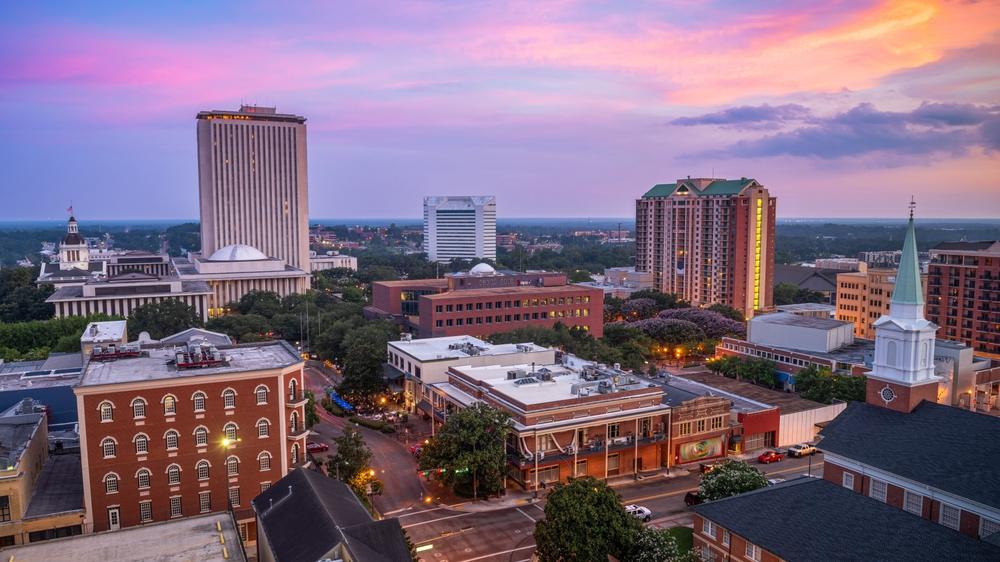
What happened to you was not your fault, and you do not need to have everything figured out before you reach out. At Horowitz Law, our Tallahassee sexual abuse lawyers help survivors hold abusers accountable through civil claims. We also pursue the universities, schools, churches, and programs that failed to protect them. We work with survivors throughout Tallahassee and Leon County, and your first conversation with us is free and confidential.
Our Florida sexual abuse lawyers work only on behalf of survivors, in Tallahassee and across the state. When you are ready, call (954) 641-2100. We will listen first, answer your questions, and let you decide what comes next.
We Represent Survivors, Not the Accused
Horowitz Law represents survivors of sexual abuse and assault in civil cases, and we do not defend people accused of sex crimes. If you are looking for help because you or your child were harmed, you are in the right place.
That distinction matters in Tallahassee, where many searches for a sexual abuse attorney come from people facing criminal charges. Our role is the opposite. We stand with survivors and help them hold abusers and institutions accountable through the civil courts, where the goals are answers, accountability, and compensation for the harm done.
What a Civil Claim Can Do
A civil claim can do things a criminal case cannot. Among other things, a civil case can:
- Name the organization that enabled the abuse, not just the individual
- Require that organization to produce internal records and answer questions under oath
- Seek compensation for counseling, lost income, and other harm
- Move forward even when no criminal charges were filed
The survivor, not a prosecutor, decides whether to bring the case and whether to accept any resolution.
Can You Sue FSU or FAMU for Sexual Abuse?

You may be able to bring a civil claim against Florida State University or Florida A&M University, though public universities follow special rules. Students harmed on any Tallahassee campus may also have a Title IX complaint, and a Tallahassee sexual abuse lawyer can help you understand how those paths fit together.
Title IX bars sex discrimination, including sexual violence, at schools that receive federal funding. A campus process can lead to discipline or safety measures, and a civil lawsuit can seek compensation and examine how the school handled earlier reports.
Coaches, Professors, and Campus Staff
Abuse by a coach, professor, athletic trainer, or other university employee often raises questions about what the school knew. Prior complaints made to a department, an athletic program, or residence life staff can become central to a case. Records that often matter in campus cases include:
- Title IX office files and the school's response to earlier reports
- Athletic department policies on travel, private training, and team doctors
- Personnel files and any prior discipline of the employee
- Residence hall incident reports and campus police records
A civil case can require a university to produce these records, which campus processes rarely make available to survivors.
Why Public Universities Follow Different Rules
Florida State University and Florida A&M University are public institutions, so civil claims against them follow Florida's sovereign immunity requirements. Those rules include advance written notice and limits on damages, which we explain below.
Clergy Abuse and the Diocese of Pensacola-Tallahassee
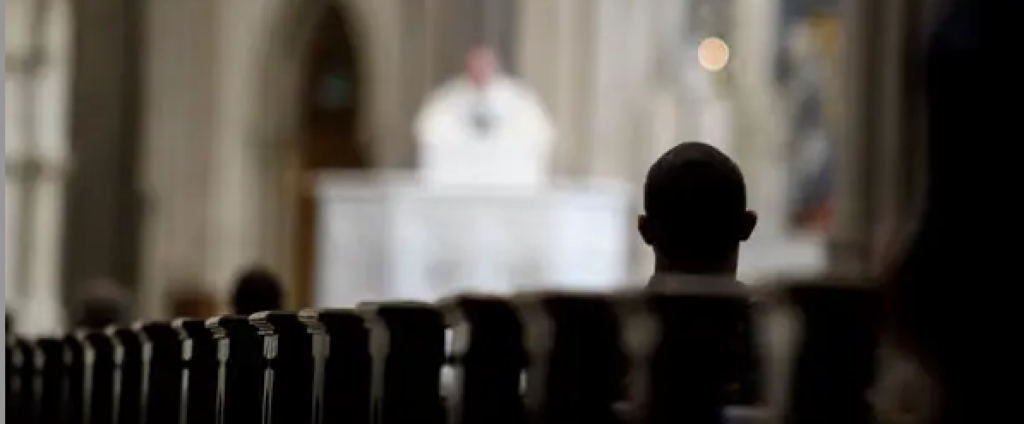
Survivors of clergy abuse in Tallahassee may have claims against the priest, the parish, the Diocese of Pensacola-Tallahassee, or a religious order. The diocese serves 18 counties in northwest Florida, and its co-cathedral, St. Thomas More, is in Tallahassee.
The diocese has published a list of individuals it considers credibly accused of abusing minors. Our analysis of the Diocese of Pensacola-Tallahassee's accused-clergy list explains why it is limited to people who served in ministry within the diocese, which can leave out clergy who lived in the area but were assigned elsewhere.
Church Youth Programs Beyond the Catholic Church
Abuse can happen in any congregation that runs youth groups, retreats, choirs, or mission trips. Churches of every denomination may be responsible when they gave a pastor, youth leader, or volunteer unsupervised access to children and ignored concerns. Regional church bodies and denominations that set screening rules for local congregations may share that responsibility as well.
Can a Tallahassee School Be Held Responsible for Abuse?

A Tallahassee school can be held responsible when its hiring, supervision, or response to warning signs allowed abuse to happen. Students in Tallahassee attend Leon County Schools as well as private, charter, and faith-based schools.
Private schools are not exempt from scrutiny. One example is a recent Leon County school case in which the Leon County Sheriff's Office arrested a teacher at a private Christian academy over alleged misconduct involving a student. Cases like these raise questions about what other adults at the school saw.
What Schools Are Expected to Do
Florida requires any person who suspects child abuse to report it to the state's central abuse hotline. When school staff noticed warning signs and stayed silent, that failure can become part of a civil claim against the school.
Healthcare, Day Cares, Camps, and Youth Sports
Abuse in medical offices, child care programs, camps, and youth sports often involves an adult with private access and an organization that failed to supervise. Our attorneys look closely at screening, staffing, and complaint records in each of these settings.
Florida's rules give us benchmarks to measure against: licensed child care staff must pass level 2 background screening, and section 943.0438 requires independent sanctioning authorities for youth athletic teams to screen their coaches. When an organization fell short of these expectations, the gap can support a claim.
Medical Offices and Therapists
Medical practices and counseling offices are expected to protect patients during sensitive exams and sessions, including through chaperone policies and prompt responses to complaints.
Patients, including college students who rely on campus health services, may have claims when a practice ignored warnings about a provider. These claims focus on the sexual misconduct, not on any medical treatment decision.
Which Rules Apply Depends on Who Is Responsible
The rules for a Tallahassee sexual abuse claim depend heavily on the type of institution involved. Public bodies follow special notice rules and damages caps, while private organizations generally do not.
| If the abuse involved | Rules that may apply |
|---|---|
| Florida State University or Florida A&M University | Title IX, plus sovereign immunity notice and damages caps |
| Leon County Schools | Title IX, plus sovereign immunity notice and damages caps |
| A private or faith-based school | Title IX if the school receives federal funds, plus ordinary negligence law |
| A church, diocese, or religious order | Ordinary negligence and intentional tort law, with no statutory cap |
| A youth sports club or league | Coach screening rules, federal Safe Sport duties for many programs, and negligence law |
| A medical practice or therapist | Negligence law focused on the misconduct, not on treatment decisions |
Notice Rules for Public Bodies
For claims against FSU, FAMU, Leon County Schools, and other public bodies, section 768.28 generally requires a written claim within three years after it accrues, gives the agency up to six months to respond, and caps recovery at $200,000 per person and $300,000 per incident.
Our attorneys prepare and track these notices for survivors. Because public universities and school districts also have their own internal reporting offices, we coordinate the civil timeline with any campus process so one does not undercut the other.
When Is the Deadline to File in Florida?

The deadline to file a sexual abuse claim in Florida is set mainly by the survivor's age when the abuse happened. Under section 95.11, a civil claim for sexual battery against someone under 16 may be filed at any time, unless it had already expired on or before July 1, 2010.
For example, a survivor abused at age 13 in a church youth group may have no filing deadline for a sexual battery claim, even many years later. A survivor abused at 17 generally has until the latest of seven years after turning 18, four years after leaving the abuser's dependency, or four years after connecting an injury to the abuse.
Adult Survivors and Institutional Claims
Adults generally have four years for intentional tort claims such as battery. Negligence claims against an institution can carry a two-year deadline, and the government notice rules above may apply first, so we review every date carefully.
Your Privacy Throughout the Case
Your privacy can be protected throughout a Tallahassee sexual abuse case, starting with the option to file under a pseudonym. We talk through privacy before anything is filed.
Pseudonym Filing and Sealed Records
Florida courts can allow survivors to proceed as Jane Doe or John Doe, keeping their names out of public filings. Judges weigh the survivor's privacy against the public's interest in open courts and may also seal sensitive records, such as counseling files.
Decisions That Stay Yours
You decide whether any settlement should include confidentiality terms, and whether to accept an offer at all. For students and university employees in a close-knit town like Tallahassee, that control can make the difference in feeling safe enough to move forward.
Why Leon County Survivors Turn to Horowitz Law
Survivors want to know whom they would trust with something so personal. Horowitz Law was founded in 2001, and our attorneys work only on behalf of survivors of sexual abuse and assault.
Working with us means:
- A team that represents survivors exclusively and never the accused
- Founder Adam Horowitz, a member of the Florida Bar since 2000, guiding a team of attorneys
- Investigations focused on universities, churches, schools, and other institutions
- Careful handling of sovereign immunity notices for public defendants
- Free, confidential consultations and a pace set by you
Civil cases arising in Leon County are generally heard in the circuit court of Florida's Second Judicial Circuit. Our early conversations happen by phone, so you can start from wherever you are.
Every case turns on its own facts, and no lawyer can promise a result. What we can commit to is respect, honest answers, and steady advocacy. Call (954) 641-2100.
Your Questions Answered by a Tallahassee Sexual Abuse Lawyer
These are common questions Tallahassee survivors and families ask before reaching out.
Is a Tallahassee sexual abuse lawyer the same as a criminal defense lawyer?
A Tallahassee sexual abuse lawyer at Horowitz Law represents survivors in civil cases and is not a criminal defense lawyer. We do not represent people accused of sex crimes, and our work focuses on accountability for survivors.
Can a Leon County sexual abuse lawyer help if I am still a student?
A Leon County sexual abuse lawyer can help current students at FSU, FAMU, or other schools understand their options while they remain enrolled. Many students want to protect their privacy and their studies, and a case can be planned around those priorities.
Can I pursue a claim if I left Tallahassee after graduation?
Former students who left Tallahassee can still pursue a Florida claim for abuse that happened in Leon County, as long as the applicable deadlines and notice rules are met. Our firm represents survivors wherever they live now.
Will my family or my school find out I spoke with a lawyer?
A consultation with Horowitz Law is confidential, so your family, school, or church does not learn about it unless you choose to share it. No institution is contacted without your approval.
Does it cost anything to talk with a Tallahassee sexual abuse attorney?
A consultation with a Tallahassee sexual abuse attorney at Horowitz Law is free and confidential. You can ask questions and learn your options without any obligation to file a claim.
Taking the First Step Is Enough
You do not need a plan, a timeline, or every answer before you call. Many survivors begin with one question, and that first conversation is often where some of the weight starts to lift.
Whether you are a student, a parent, or an adult looking back, our Tallahassee sexual abuse lawyers stand on your side of the case and no one else's. Call (954) 641-2100 or use our contact page to set up a free consultation that stays between you and Horowitz Law.