Updated:
Who Is Legally Responsible When Sexual Abuse Happens Inside an Organization?
The abuser is always responsible for sexual abuse, and in many cases the business or organization that hired, supervised, or housed that person may also be held liable for failing to prevent it.
- Negligent hiring or screening
- Poor supervision or ignored warning signs
- Failure to report or act on complaints

Sexual abuse is always the fault of the person who committed it, but that person rarely acts in a vacuum. For example, if a child was molested during summer camp, their parents may ask, “Can the camp be held liable for sexual abuse?” The answer is that an organization may share legal responsibility when its choices gave the abuser access and cover.
That responsibility does not depend on whether the organization, whether it’s a camp, church, sports league, or school, meant for anything to happen. It turns on what the organization knew, what it should have known, and what reasonable steps it skipped.
Below, we explain the legal theories behind organizational liability in plain language, then walk through how they apply in specific settings. If you want to talk through your own situation, a sexual abuse attorney can review it confidentially and explain your options.
The Bottom Line
Here is a short summary of how responsibility for sexual abuse can extend beyond the abuser:
- The person who commits sexual abuse can be sued directly, even if they were never criminally charged.
- Organizations may be liable for negligent hiring, negligent supervision, negligent retention, and failure to act on warnings.
- Courts in many states treat sexual abuse as outside an employee's job duties, so most institutional claims focus on the organization's own failures.
- Camps, youth sports leagues, schools, churches, day cares, medical practices, spas, rideshare companies, hotels, and cruise lines can all face these claims.
- Records showing what an organization knew, such as prior complaints and policies, are often the most important evidence.
How Can an Organization Be Liable for Someone Else's Abuse?
An organization can be liable for sexual abuse when its own carelessness helped make the abuse possible. The law calls this negligence, meaning failing to exercise the care a reasonable organization would use to protect the people it serves.
Negligent Hiring
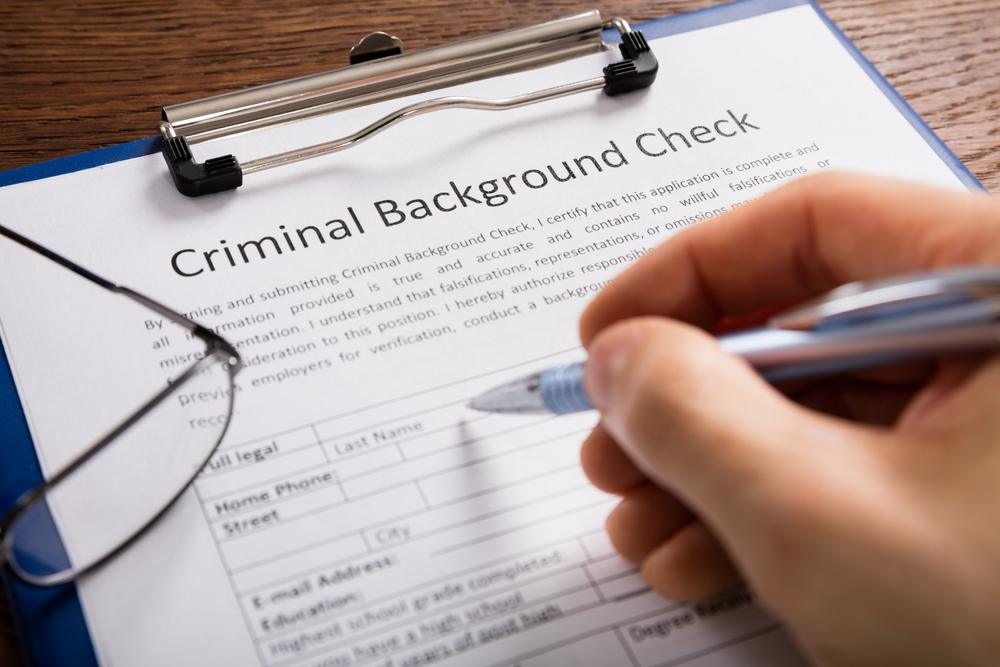
Negligent hiring means an organization brought someone on without reasonable screening, or ignored red flags it found. Skipped background checks, unchecked references, and gaps in employment history that no one asked about can all support this claim.
Some states encourage screening directly. Florida's section 768.096, for example, gives employers a presumption against negligent hiring only if they completed specific background steps before hiring.
Negligent Supervision
Negligent supervision means the organization failed to keep a reasonable eye on its staff or volunteers. This can include allowing unmonitored one-on-one time, letting adults transport children alone, or having safety rules on paper that no one enforced.
Negligent Retention
Negligent retention means an organization kept someone in their role after it learned, or should have learned, that the person posed a risk. A prior complaint, a boundary violation, or a parent's concern that leadership dismissed can all become central evidence in this type of claim.
Failure to Act on Warnings or Report
An organization may be liable when it received a warning and did nothing meaningful with it. Many states require certain employees to report suspected child abuse to authorities, and Florida requires any person with reasonable cause to suspect child abuse to report it. When an organization handled a report internally instead of passing it along, survivors may have a claim based on that failure.
Unsafe Premises
Property owners and businesses have a duty to keep their spaces reasonably safe for guests and customers. Faulty locks, missing security staff, unmonitored areas, or ignored prior incidents may support a claim against the owner or operator, sometimes called a negligent security claim.
When the Organization Is Responsible for the Employee's Act Itself
In some cases, the law holds an employer responsible for an employee's conduct on the job, a rule called vicarious liability. Courts in many states have found that sexual abuse falls outside an employee's job duties, so this route is narrower than people expect. That is why most cases against organizations rest on the negligence theories above, which focus on what the organization itself did or failed to do.
Who May Be Liable in Common Settings
Organizational responsibility looks different depending on the setting, because each one creates access in its own way. The short summaries below show how the same legal theories apply across different places where abuse happens.
Churches and Dioceses
Churches and dioceses may be liable when they assign, transfer, or protect clergy despite earlier concerns. Survivors pursuing claims against a church or diocese often find that internal files show leaders knew more than they shared.

Schools and Universities
Schools may be responsible when they ignored complaints, failed to supervise staff, or responded poorly to reports. Survivors may also have rights under Title IX, the federal law barring sex discrimination, including sexual violence, at schools that receive federal funding. Our article on when a university can be liable examines campus cases involving student-athletes.
Can a Camp Be Held Liable for Sexual Abuse?
A camp can be held liable for sexual abuse when poor hiring, thin supervision, or ignored warnings allowed a counselor or staff member to harm a camper. Seasonal hiring, overnight cabins, and limited oversight at night are common concerns in summer camp abuse cases.
Can a Youth Sports League Be Held Liable for Sexual Abuse?
A youth sports league may be held liable for sexual abuse when it failed to screen coaches, allowed unsupervised travel or private training, or ignored complaints. Federal law adds duties for many programs: the Safe Sport Authorization Act requires certain adults in amateur sports to report suspected child abuse and requires covered organizations to limit one-on-one contact with minors. Those duties often frame youth sports abuse claims against clubs and leagues.
Day Cares
Day cares may be responsible when they hired unscreened workers, ignored staffing rules, or left children alone with one adult. Licensing and screening rules often supply the standard a center failed to meet in daycare sexual abuse cases.
Medical Practices and Therapists
Medical practices and hospitals may be liable when they ignored patient complaints, allowed exams without a chaperone, or kept a provider after prior reports. These claims are part of healthcare sexual misconduct cases, which focus on the abuse itself rather than medical treatment decisions.
Can a Business Be Held Liable for Sexual Assault by an Employee?
A business can be held liable for sexual assault by an employee when it failed to screen, supervise, or respond to complaints about that worker. Spas and franchise locations are common examples, and massage and spa assault claims sometimes reach both the local business and the brand that set its policies.
Nursing Homes and Care Facilities
Residential care operators may be responsible when they fail to screen caregivers, leave residents with dementia or disabilities unsupervised, or dismiss a resident's report because of memory concerns. Families looking into nursing home sexual abuse claims often find that staffing records and incident logs tell the story the resident could not.
Rideshare Companies

Rideshare companies screen drivers and control who can pick up passengers, so their safety practices may come under scrutiny after an assault. Our guide on who is responsible when a rideshare driver commits abuse explains how these claims work.
Hotels and Cruise Lines
Hotels and cruise lines may be liable when crew or staff assault guests, or when the company ignored security risks. Maritime law and ticket contracts can change filing rules for cruise ship sexual assault claims, so deadlines may be shorter than expected.
Common Defenses Organizations Raise
Organizations facing a sexual abuse claim often respond with a familiar set of arguments. Knowing them in advance can make the process feel less unsettling, because none of them automatically ends a case:
- "We had no reason to know." Courts look at what an organization should have known, not only what it admits it knew, so ignored warning signs still matter.
- "We ran a background check." A clean criminal record check does not cover poor supervision, ignored complaints, or a failure to remove someone after concerns arose.
- "The person acted outside their job." That argument may limit vicarious liability, but it does not answer claims based on the organization's own negligence.
- "Too much time has passed." Many states give survivors of childhood abuse extended deadlines, and some have no deadline at all for certain claims.
How these defenses play out depends on the state's law and the records in the case. A careful investigation is usually what separates an organization's talking points from what actually happened.
What Evidence Shows an Organization Knew or Should Have Known?
Evidence that an organization knew or should have known about a risk usually comes from its own records. These materials can show whether the organization followed its own rules, and whether anyone raised concerns before the abuse.
| Evidence | What it can show |
|---|---|
| Prior complaints and incident reports | Earlier warnings the organization received |
| Personnel and hiring files | Whether screening and reference checks happened |
| Written policies and handbooks | The rules the organization set for itself |
| Training records | Whether staff learned how to spot and report abuse |
| Emails and internal messages | What leaders discussed and decided |
| Schedules, rosters, and logs | Who was supervising, and when |
The CDC's guidance for youth-serving organizations describes the screening, supervision, and response practices many organizations are expected to have. When an organization's records show it fell short of those practices, that gap can become an important part of a claim.
How Survivors Can Help Preserve Information

Survivors do not need to collect evidence on their own, and no one should contact an organization or the abuser to gather it. Still, some find it helpful to save what they already have:
- Messages, emails, or social media posts from the person who caused harm
- Photos, schedules, or team and camp materials from the time
- Names of anyone the survivor told, and roughly when
- Records from counselors or doctors seen since the abuse
An attorney can then send formal requests asking the organization to preserve its own files.
Sexual Abuse Liability Questions Answered by Our Fort Lauderdale Attorneys
These questions often come up after survivors learn how organizational liability works.
Can an organization be liable if the abuse happened off its property?
An organization can be liable for abuse that happened off its property if its role created the access. A coach's private lessons arranged through a team, or a youth leader's trip approved by a church, can tie the organization to abuse that occurred somewhere else.
What if the organization says the abuser was only a volunteer?
An organization can owe the same duty to screen and supervise volunteers that it owes to paid staff. Many abuse cases involve volunteers, and calling someone a volunteer does not by itself shield the organization from responsibility.
Can more than one organization be responsible for the same abuse?
More than one organization can share responsibility for the same abuse. A local team and its national governing body, a franchise location and its parent brand, or a parish and its diocese may each have played a part.
What if the organization no longer exists?
A closed or renamed organization may still be held accountable through a successor company, a parent organization, or insurance policies in place at the time of the abuse. Locating those policies is often part of an attorney's early investigation.
Is a settlement with an organization made public?
A settlement with an organization is not automatically public, and survivors often have a say in confidentiality terms. Some survivors want public accountability, while others value privacy, and those wishes can shape negotiations.
Answers Start With One Conversation
Many survivors spend years assuming that only the abuser could ever be held responsible. Learning that an organization may share that responsibility can change how the past feels, and what the future can hold. It can also mean that the policies which failed you are finally examined, so the next child, patient, or guest is safer.
Horowitz Law represents survivors in civil cases against the organizations that enabled abuse, from churches and schools to camps, sports programs, medical practices, and businesses. We work with survivors nationwide from our Fort Lauderdale office. To talk about your situation, reach out to our team or call (888) 283-9922 for a free, confidential consultation.