Survivors looking into how to sue a cruise line for sexual assault usually discover two unpleasant surprises at once: the deadlines are far shorter than for anything that happens on land, and the ticket they never read decides where the case gets filed. Both are real. Neither means a claim is out of reach, provided the calendar is handled early.
Sexual abuse and sexual assault claims are the only work our attorneys do at Horowitz Law, and we bring them from Fort Lauderdale, minutes from Port Everglades. This is a walk-through of the process from the first phone call to resolution.
How Do You Sue a Cruise Line for Sexual Assault at Sea?
You sue under federal maritime law, in the court your ticket contract names, after giving the written notice that contract requires.
- Most tickets allow six months to give written notice of a claim
- Most allow only one year to file the lawsuit itself
- The clock runs from the date of the incident, not from when you got home
A missed notice deadline does not automatically end a claim, which is why it is worth asking even if time has passed.
Key Takeaways about Cruise Ship Sexual Assault Lawsuits
- Federal law permits cruise lines to require notice of a claim within six months and suit within one year, and most set both at those minimums.
- The passenger ticket is an enforceable contract that typically also dictates which court hears the case.
- A failure to give timely notice is not an automatic bar, and the statute contains express exceptions.
- Cruise lines cannot contract away responsibility for their own negligence on voyages touching U.S. ports.
- Federal law requires larger vessels to preserve surveillance footage and report sexual assaults to the FBI.
- A criminal investigation runs separately and does not pause the civil deadline.
Step One: Find the Ticket Contract

If you’re considering suing Carnival for sexual assault, it’s important to know that everything procedural in these cases starts with the ticket contract, so locating it is the first task. It is usually delivered by email at booking or available in the cruise line's online account portal, often labeled as passage terms or conditions of carriage.
The provisions that matter are the notice requirement, the filing deadline, the named court, and the address where notice must be sent. Those four items determine the shape of the case before any facts about the assault are considered.
If you cannot find it, that is not a problem. Cruise lines publish current versions, and we obtain the one that applied at the time of your sailing.
Why Is the Deadline for Maritime Sexual Assault Claims So Short?
Because Congress allows it, within limits. Section 30526 of title 46 of the U.S. Code, renumbered from section 30508 in 2022, provides that for seagoing vessels, a carrier may not contractually shorten the notice period below six months or the period to file suit below one year.
Those are floors, not ceilings, and the industry writes to the floor. General maritime law would otherwise give a survivor three years, and the ticket is what compresses it.
One consequence that repeatedly catches people off guard is that reporting an assault to onboard security is not the written notice of claim the contract requires, because the two go to different places and serve different purposes.
Step Two: Serve Written Notice

Notice is a formal letter to the address the contract specifies, describing the incident and stating an intent to claim. It is not a form, and getting it right matters more than getting it fast.
We send this on a client's behalf, along with preservation demands. Those demands are time-sensitive in a way survivors rarely realize, because surveillance footage, key-card access data, medical logs, and crew rosters are all subject to retention schedules that keep running while a survivor decides what to do.
Where the deadline has already passed, the claim is not necessarily over. Section 30526 provides that a missed notice is not a bar where the court finds the carrier already knew of the incident and was not prejudiced, where there was a satisfactory reason notice could not be given, or where the carrier fails to object. The statute also tolls the notice period for a claimant who is a minor.
Whether trauma qualifies as a satisfactory reason is a question for a court rather than a promise anyone can make. It is an argument worth preserving instead of abandoning.
Where Does the Case Get Filed?
Usually, these cases are filed in a federal court named in the ticket, which, for the major lines, are frequently in Florida. Passenger contracts almost always contain a forum selection clause, and the U.S. Supreme Court upheld the enforceability of those clauses in 1991.
For most survivors, this matters less than it sounds. Our office is in South Florida, where a large share of maritime litigation in the country is handled, so a Florida forum is familiar territory rather than an obstacle. We handle assaults on cruises from South Florida ports regularly.
One provision does not survive, whatever the ticket says. For voyages touching U.S. ports, section 30509 of title 46 voids any clause limiting a carrier's liability for personal injury caused by its own negligence.
Step Three: Establish What the Cruise Line Owed You
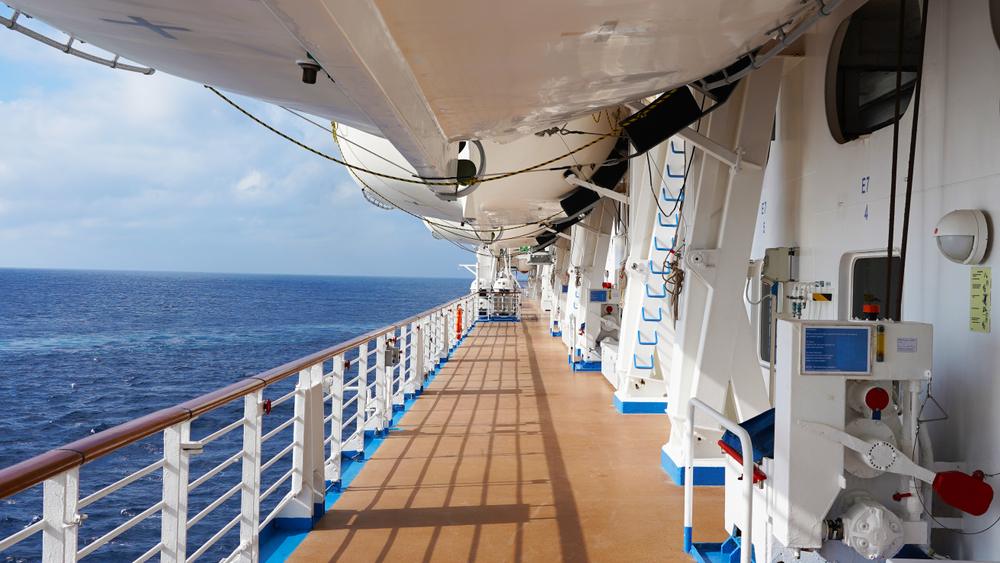
Federal law imposes specific duties on larger passenger vessels, and a failure to meet them is evidence. The Cruise Vessel Security and Safety Act, codified at section 3507 of title 46, applies to vessels carrying at least 250 passengers that embark or disembark in the United States.
Its requirements are concrete and checkable:
- Peepholes or other visual identification on stateroom doors, and limits on crew access to cabins
- Video surveillance, with footage preserved and made available to law enforcement
- Reporting of sexual assault and other serious incidents to the FBI
- Rape kits, in-date preventive medications, and personnel trained to perform a forensic examination on request
- Confidentiality of examination findings, which may not be released to the cruise line or its lawyers without the patient's written approval
- Free and immediate access to contact information for the FBI, the Coast Guard, the nearest U.S. consulate, and the national sexual assault hotline
Whether each of these was met produces a documentary answer, and those answers frequently become the center of the case.
Step Four: Identify Every Responsible Party
The company on the ticket is often not the only defendant, and sometimes not the right one. Cruise operations are layered across related entities, crewing agencies, and onboard contractors.
A claim may reach the cruise line for negligent hiring, screening, training, or supervision of crew, and some courts have recognized a broader basis for holding a line responsible where a crew member assaulted a passenger. It may also reach the vessel owner, where that is a separate company, the staffing agency that placed the individual aboard, concessionaires operating spas, bars, or youth programs, and shore excursion operators the line effectively controlled.
Sorting this out requires corporate filings and the contracts between those entities, which is early work in every one of these cases.
What Happens After Filing?
Discovery, which is where these cases are usually won or lost. It is also the phase that asks the least of a survivor, because most of it involves documents rather than testimony.
We pursue the surveillance footage, incident and security reports, medical logs from the shipboard examination, crew personnel files, prior complaints, key-card access records, alcohol service records, and communications between the ship and shore management. A fuller description of how maritime abuse claims proceed covers the sequence in more detail.
A deposition typically comes later, in a conference room rather than a courtroom, and with thorough preparation beforehand. Most cases resolve before trial, and we prepare each one as though it will not.
Throughout, privacy is planned rather than patched. Where courts permit it we file under a pseudonym and ask that medical records be sealed. A fuller description of how maritime abuse claims proceed covers the sequence in more detail.
Who Investigates, and What Gets Preserved
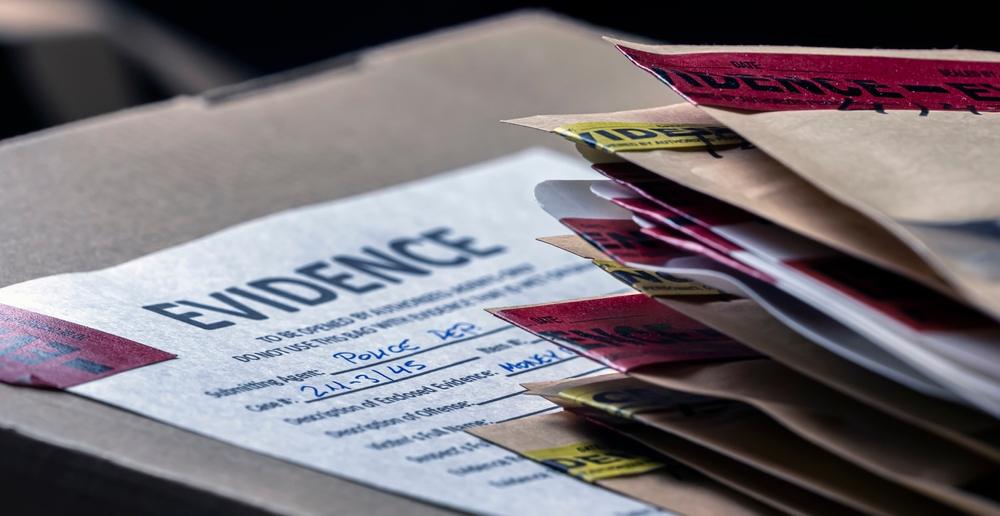
Federal authorities investigate, and the vessel has legal duties to support them. The Coast Guard enforces the safety and reporting rules that apply to the ship, and section 3508 of title 46 requires covered vessels to carry at least one crew member certified in crime prevention, detection, evidence preservation, and reporting of serious incidents at sea.
That requirement is useful to a civil claim in a specific way. Someone aboard was supposed to be trained to preserve evidence, which means questions about what was collected, photographed, secured, or discarded have answers rather than shrugs.
Surveillance footage is the piece survivors ask about most. Coverage varies by vessel and by location aboard, corridors are generally better covered than cabins, and retention windows are finite, which is why preservation demands go out immediately rather than after a case is filed.
Medical records from any shipboard examination are also treated specially. Federal law requires those findings be kept confidential and not handed to the cruise line or its lawyers without the patient's written approval.
Does a Criminal Investigation Change the Timeline?
No, and this is the most costly misunderstanding in these cases. The FBI has jurisdiction over serious crimes aboard vessels in many circumstances, and its investigation runs on its own schedule.
That schedule may extend well past a year, and it may end without charges for reasons that have nothing to do with what happened. Meanwhile, the contractual deadline in the ticket keeps running.
Waiting for the criminal process to conclude before speaking to a civil lawyer is how otherwise strong claims expire. The two tracks can and should proceed in parallel.
FAQs about Cruise Line Liability in Sexual Assault Cases
Below are questions survivors and families bring to our attorneys that the steps above do not already cover.
Does it matter which country the ship was registered in?
Usually less than people expect. Federal maritime law governs claims by passengers on voyages touching U.S. ports, and the ticket contract typically directs where suit is filed, regardless of the flag the vessel sails under.
What if the assault happened during a shore excursion?
A claim may still reach the cruise line. The question is how much control the line exercised over the excursion in practice, including how it was marketed, booked, and paid for, rather than what the disclaimer says.
The cruise line offered a refund or future cruise credit. Should I accept?
Have someone read the paperwork first. Offers of compensation sometimes come attached to a release of claims, and signing one can affect the ability to pursue a maritime sexual assault claim later.
Can a claim proceed if I never had an examination on board?
Yes. Many survivors decline or never learn one is available, and claims proceed on other evidence, including footage, access records, and the accounts of people told afterward.
What if the person who assaulted me was another passenger?
The line may still be responsible. What matters is what it knew or should have known, and whether its security, alcohol service, or response to earlier reports fell short of reasonable care.
Do crew members have the same options as passengers?
Not exactly. Crew claims follow a different track, often governed by employment agreements with their own arbitration provisions and separate maritime remedies, so the analysis starts with that contract.
Do Not Let the Ticket Deadline Decide This for You
Of everything our attorneys handle, cruise claims are the ones where waiting costs the most. That is a reason to ask questions now, not a reason to feel rushed into a decision about filing.
You can talk to a cruise sexual assault lawyer before the deadline without committing to anything at all. Call Horowitz Law at (888) 283-9922 for a free and confidential consultation.