Where Did Online Predators Go After Omegle Shut Down?
After Omegle closed in November 2023, predators did not disappear; they simply moved to other online predator platforms in 2026, where children already gather. Today, the same dangers show up across the apps and games kids use every day, including:
- Roblox and other gaming platforms, where adults can reach young players inside chats and private games
- Discord, where private servers and direct messages can be hard for parents to see
- Random video chat apps that copied Omegle's stranger-pairing model
- Mainstream social and messaging apps with direct messages and disappearing content
If your child was harmed on any of these services, your family may have legal options, and a free, confidential consultation can help you understand them.
After Omegle: Where Online Predators Are Now — and What Legal Options Victims Have
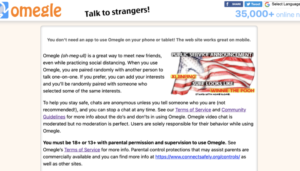
When Omegle shut down in November 2023, many parents hoped the danger of strangers pairing with children online had ended. Sadly, online predator platforms in 2026 simply changed addresses.
At Horowitz Law, we have spent decades representing survivors of sexual abuse, including children harmed by people they met online. We see you, we believe you, and we are here to listen.
Below, we’ll explain where predators have moved, how the law is starting to hold companies accountable, and what paths to justice may be open to survivors and their families.
Key Takeaways about Online Predator Platforms
- Omegle closed in November 2023, but the online predator platforms it influenced continue to put children at risk in 2026.
- Predators have moved to gaming sites like Roblox, chat services like Discord, and random video chat apps that copied Omegle's model.
- Grooming often begins on one platform, then moves to private messages or encrypted servers that are harder for parents to monitor.
- Federal child protection laws and a growing wave of lawsuits are testing whether platforms can be held accountable.
- Survivors and families may have the right to pursue civil claims, which are separate from any criminal case.
Why Did Omegle Shut Down, and Why Does It Still Matter?
Omegle shut down in November 2023 after years of reports that its anonymous, stranger-pairing video chat exposed children to adults seeking to exploit them. The site connected two random users for text or video with little to no age checking. That design made it easy for predators to reach minors and to record what they saw.
An Omegle lawsuit filed by a survivor who was matched with an adult predator as a child helped bring national attention to those risks. The company eventually closed the site rather than keep fighting these claims. For survivors, that result mattered because it showed that platforms can be challenged in civil court.
The platform is gone, but its model lives on. New services copied the same stranger-pairing format, and predators followed the children. That is why this story is far from over.
In our work with survivors, we have seen how a single harmful encounter can echo for years. The site that hosted it may close, yet the images, the trauma, and the search for accountability remain. That is why the closing of Omegle is a beginning for many families, not an ending.
Where Are Online Predator Platforms in 2026?

In 2026, predators tend to gather where children already spend time, which means popular gaming, chat, and video apps rather than a single notorious website. The threat is now spread across the everyday internet, which can make it harder to spot.
The U.S. Department of Justice warns that predators often rely on services with direct messaging, video chat, file uploads, and anonymity, and those features are common across the platforms below.
Gaming Platforms Like Roblox
Roblox is built for young players, which is exactly why it draws unwanted attention. Roblox has faced increasing scrutiny as a platform used by predators to contact minors, and several state officials and families have raised concerns in recent filings.
Adults can sometimes reach children through in-game chats and private experiences, then steer them elsewhere.
Chat Apps Like Discord
Discord is popular with gamers and teens because it makes group and private conversations easy. Those same features, including private servers and direct messages, can be difficult for parents to see.
Through 2025 and into 2026, a growing number of state attorneys general and families have filed claims, and each new Discord predators lawsuit raises the same question of whether the company did enough to protect young users.
In May 2026, for example, the Texas Attorney General filed a lawsuit accusing Discord of deceiving parents about its safety features. Nevada, New Jersey, and other states have brought similar actions. These cases focus on accountability, not on attacking the technology itself.
Random Video Chat Apps
Several newer apps revived Omegle's idea of pairing strangers for live video. They promise novelty and anonymity, but they recreate the very conditions that put children in harm's way. For predators, an unmoderated video connection with a child is the goal, and these apps can deliver it in seconds.
How Do Predators Build Trust with Children Online?
Most online predators do not begin with threats; they begin by building trust, a slow process often called grooming. They pose as a peer, offer attention or gifts, and move the conversation to a private channel where no adult is watching.
Because children are the most common targets of online predators, families deserve to understand how this pattern unfolds.
Once trust is established, a predator may pressure a child to share explicit images, then threaten to release them unless the child sends more. The FBI calls this sextortion, and it has warned that these schemes against minors are rising sharply. The fear and shame involved often keep children silent for far too long.
Knowing the warning signs can help. In our experience working with families, the following changes often appear together:
- Sudden secrecy about devices, screens turned away, or accounts you have never seen before
- A new online friend who seems older, very generous, or eager to move to a private app
- Withdrawal, anxiety, or trouble sleeping that started after time online
- Requests to keep an online relationship hidden from parents
If you notice these signs, you are not alone, and there are trusted people and resources ready to help your family take the next step.
Holding Online Predator Platforms Accountable
For years, online platforms argued they could not be held responsible for what users did on their sites. That legal shield, found in Section 230 of the Communications Decency Act, is now being tested in courtrooms across the country.
Survivors and families are asking a fair question: if a company designed a product that allowed predators to reach children, should it answer for the harm?
Congress has already narrowed that shield once, through a 2018 law aimed at platforms that knowingly facilitate sex trafficking. Courts are now weighing how far a platform's responsibility extends when its design choices, rather than a single user's words, put children in danger.
The legal ground is shifting, and it is shifting toward accountability.
Many recent cases do not rest on what a single user posted. Instead, they focus on a platform's own choices, such as weak age verification, unsafe default settings, and limited parental controls.
Lawyers describe these as product liability and negligence theories, which means the design of the product, not just the speech on it, is at the center of the claim.
Federal law also gives survivors of child sexual abuse material a direct path to civil recovery. Under 18 U.S.C. § 2255, often called Masha's Law, a person harmed by the production or sharing of these images can sue in federal court for substantial damages.
The FBI's Violent Crimes Against Children program continues to investigate these offenses, and a criminal case can run alongside a civil claim.
What Online Predator Legal Options Do Survivors and Families Have?
Survivors and families may have several online predator legal options, including a civil lawsuit against an individual abuser and, increasingly, against the platform that allegedly enabled the abuse.
A civil case is different from a criminal prosecution. The criminal system seeks to punish the offender, while a civil claim seeks accountability and resources for the survivor.
These claims are not about money or getting even. For a child who was harmed online, justice often means access to therapy, support, and the security to heal. Families whose children were victimized online have the right to pursue civil claims, and that right can hold powerful companies accountable in a way criminal cases sometimes cannot.
Each situation is unique, so the path forward depends on the facts, the platforms involved, and the laws of your state. Some states have also opened revival windows that give survivors more time to come forward. A confidential conversation with a lawyer is the clearest way to learn which options may apply to your family.
Based on our years handling abuse cases against large institutions, we know that families rarely have every detail when they first reach out. That is normal, and it is enough to start. Our role is to investigate, to gather what is needed, and to carry the legal weight so your family can focus on healing.
How Horowitz Law Supports Survivors of Online Abuse

Adam Horowitz has more than 25 years of experience holding abusers and institutions accountable for survivors of sexual abuse. He has represented thousands of survivors nationwide in cases against churches, schools, youth organizations, cruise lines, rideshare companies, and high-profile individuals.
That same trauma-informed approach guides how we handle online exploitation cases today.
From our offices in Fort Lauderdale, we represent families across the country, and we are proud of the recognition our work has earned, including the highest peer rating available to attorneys. More important to us, though, is how our clients describe working with our team. We treat every survivor with dignity, patience, and respect.
We understand that reaching out takes courage. From your first call, you will have a compassionate listener, a steady support system, and a legal team that fights relentlessly for justice. Your health and well-being always come first.
FAQs about Online Predator Platforms 2026
Below are answers to questions families often ask us about online predator platforms, lawsuits, and the road to justice.
Is there still an Omegle lawsuit option if my child was harmed before the site shut down?
Possibly. Even though Omegle closed in November 2023, the closing of a platform does not automatically erase a survivor's legal rights. The deadline to file depends on your state's laws and when the harm was discovered, so it is worth asking a lawyer about your specific situation.
Can I file a Discord predators lawsuit if the abuse also happened on another app?
Often, yes. Predators frequently move children between platforms, such as meeting on a game and then continuing on a chat app. A single case can sometimes involve more than one company, and a lawyer can review which parties may share responsibility.
How long does my family have to file a claim?
It depends on your state and the details of the case. Many states have extended their deadlines for child sexual abuse claims, and some have opened revival windows for older cases. Because these rules change and vary widely, the safest step is to ask about deadlines as early as possible.
Will my child have to testify in court?
Many cases resolve without a child ever testifying at trial. When testimony is needed, courts and trauma-informed legal teams use protections designed to reduce stress for young survivors. We will always explain what to expect and put your child's well-being first.
What does it cost to talk with a lawyer about online predator legal options?
Your first consultation with us is free and confidential. We also handle these cases on a contingency basis, which means there is no fee unless we win. That way, cost is never a barrier to getting answers.
What if we do not know the predator's real identity?
That is common, since predators often hide behind fake names and profiles. Law enforcement and civil attorneys have tools to help uncover identities, and a claim against a platform may proceed even when the individual is unknown. You do not need to have all the answers before you reach out.
Can adults who were abused online as children still pursue a claim?
Sometimes, yes. A number of states allow survivors to come forward years later, and federal law provides its own timelines for certain claims. If you were harmed online as a minor, it is worth learning whether a path to justice is still open to you.
Talk With a Sexual Abuse Lawyer Who Will Listen
If your child was targeted on one of today's online predator platforms, you do not have to face it alone. Our team is ready to listen, answer your questions, and help you understand the options available to your family. Every conversation is free, confidential, and free of pressure.
Reach out to Horowitz Law today at 888-283-9922 for a free, confidential consultation. Remember, there is never a fee unless we win. It is time to get justice, and accountability starts here.