The thought of discussing sexual abuse with your child is a profoundly difficult one. It’s a conversation no parent ever wants to have, yet it is one of the most important acts of protection and love you can offer. Creating a safe space for your child to understand their body, their rights, and the importance of their voice can empower them for a lifetime.
Whether you are looking to prevent abuse or have concerns that it may have already occurred, knowing how to approach this sensitive topic can make all the difference.
Key Takeaways about Talking to Your Child About Sexual Abuse
- A trusting and non-judgmental home environment is the foundation for a child's willingness to disclose abuse.
- Parents should use clear, age-appropriate language to teach children about body safety, personal boundaries, and the difference between safe and unsafe secrets.
- A parent's immediate reaction to a disclosure of abuse can greatly impact a child's healing process.
- Key communication skills for these conversations include listening more than talking and consistently validating the child's feelings and courage.
- Understanding the proper steps for reporting abuse and seeking support can help parents act decisively to protect their child.
Creating a Foundation of Trust Before the Conversation
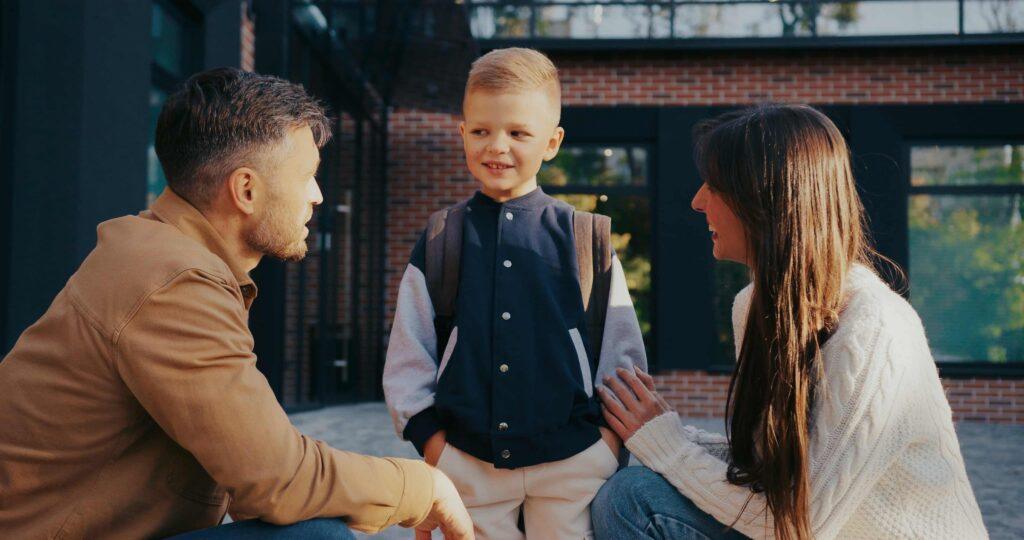
Open conversations about difficult topics don't happen in a vacuum. They grow out of a strong, trusting relationship you build with your child every day. Before you ever speak about abuse specifically, you can create an environment where your child feels safe, heard, and unconditionally loved. This makes it more likely they will come to you if something is wrong.
You can build this foundation in simple, everyday interactions.
- Set aside time for regular, casual chats about their friends, their day at school, or their favorite activities.
- Show respect for their feelings and opinions, even when you disagree. This teaches them that their voice matters.
- Keep your promises, big and small. This demonstrates that you are a reliable and trustworthy figure in their life.
When a child knows they can talk to you about anything without fear of judgment or anger, they are more likely to share their biggest worries.
Using the Right Words: Age-Appropriate Language
The words you choose are important. The goal is to educate without frightening, and to empower without creating anxiety. Using correct anatomical terms for body parts helps demystify the body and prevents abusers from using pet names to create confusion and secrecy. Tailor the conversation to your child's developmental stage.
For Younger Children (Ages 3-7)
With very young children, the focus should be on simple, concrete rules about body autonomy. You can make this part of your regular routines, like bath time or getting dressed.
- Your Body Belongs to You: Teach them this simple and powerful phrase. Explain that no one gets to touch their body without their permission.
- It’s Okay to Say "No": Reassure them that they have the right to say "no" to any touch that makes them feel uncomfortable, even from a family member, teacher, or friend.
- Private Parts are Private: Use correct terms and explain that the parts of their body covered by a bathing suit are private. No one should ask to see or touch their private parts, or ask them to touch theirs.
- Good Secrets vs. Bad Secrets: Explain that some secrets, like a surprise birthday gift, are fun. But any secret that makes them feel sad, scared, or confused is a "worry secret," and they should always tell a trusted adult.
These foundational lessons create a framework of safety that a child can understand and apply.
For School-Aged Children (Ages 8-12)
As children get older and spend more time online and away from home, the conversation can become more detailed. You can introduce more complex ideas about tricky people, consent, and online safety.
- Identifying "Tricky People": Explain that people who want to harm children don't always look scary. They can be friendly and may try to break safety rules by asking for secrets, giving gifts, or threatening them.
- Understanding Online Dangers: Discuss the importance of not sharing personal information or photos with strangers online. Set clear rules for internet use and monitor their activity in a way that respects their growing independence.
- Defining a Safety Network: Help them identify a list of at least three to five "trusted adults" they can talk to if they can't talk to you for any reason. This could include a grandparent, an aunt or uncle, a teacher, or a school counselor.
Reinforcing these ideas helps children develop critical thinking skills to recognize and respond to potentially dangerous situations.
What to Do if You Suspect Abuse or Your Child Discloses
If your child chooses to tell you they have been harmed, the moment they speak is a critical point in their life. Your response can either open the door to healing or cause them to retreat into silence. Your primary goals are to listen, believe, and reassure them of your love and their safety.
Your Immediate Response Matters Most
Controlling your own emotions is the most important—and often the most difficult—part of hearing a disclosure. Your child is watching you for cues on how to feel.
- Listen Carefully: Put everything else aside and give them your full attention. Let them tell their story in their own words and at their own pace. Do not interrupt with questions or express shock.
- Stay Calm: While you may feel anger, fear, or disbelief, it is vital to present a calm and supportive presence. A strong emotional reaction from you can be frightening and may stop them from sharing more.
- Believe Them: The most important words you can say are, "I believe you." Children rarely lie about abuse. Voicing your belief validates their experience and reinforces that they were right to trust you.
- Reassure Them It’s Not Their Fault: State clearly and repeatedly, "This was not your fault." Abusers often manipulate children into feeling shame or responsibility. You must lift that burden from them immediately.
- Praise Their Courage: Acknowledge how difficult this was for them. Say, "Thank you so much for telling me. You were so brave to share this."
These steps create a safe harbor for your child, letting them know that your love is unconditional and that you are their fierce protector.
Common Questions a Child Might Ask (And How to Answer)

A child who discloses abuse is often filled with fear and confusion. Be prepared to answer some difficult questions with simple, direct, and reassuring answers.
- "Is it my fault?" A clear and immediate answer is essential. You can say, "No, it is never, ever your fault. The person who hurt you is the only one responsible. You did nothing wrong."
- "Will you be mad at me?" Reassure them with your words and your tone. "I could never be mad at you for telling me the truth. I am so proud of you for talking to me. My job is to keep you safe."
- "What will happen now?" Be honest but focus on safety. "We are going to make sure you are safe. I will be with you, and we will figure out the next steps together, one step at a time."
Your answers should always circle back to the core messages: You are safe, you are loved, it is not your fault, and we are in this together.
Taking Action: Reporting and Seeking Support in Florida
After your child has shared their story, your focus shifts to action. This includes official reporting to protect your child and others, as well as finding professional support to help your child heal from the trauma.
Reporting the Abuse
In Florida, as in every state, all citizens are encouraged to report suspected child abuse. Certain professionals are legally required to do so. The primary agency for this is the Florida Department of Children and Families (DCF). You can report abuse 24/7 by calling the Florida Abuse Hotline.
When you make a report, it helps to be prepared.
- An operator will ask for details about the child, the person you suspect of abuse, and the nature of your concerns.
- A child protective investigator may be assigned to look into the situation.
- The primary goal of the investigation is to assess the child's safety and determine if services are needed to protect them.
Making a report is a formal step that can feel intimidating, but it is a necessary part of stopping the abuse and protecting your child.
Finding Medical and Mental Health Support
The trauma of sexual abuse can have deep and lasting effects. Seeking professional help is a sign of strength and a critical component of healing for both your child and your family.
- Specialized Medical Examination: It may be recommended that your child be seen by a healthcare provider with training in assessing child abuse. This is done in a sensitive, child-friendly manner.
- Trauma-Informed Therapy: Look for a mental health professional who has experience working with child survivors of trauma. The National Child Traumatic Stress Network (NCTSN) is a valuable resource for finding qualified providers and information.
- Family Support: The entire family is affected by a disclosure of abuse. Family counseling or parent support groups can provide you with the tools and community to help your child through their healing journey.
Accessing these resources provides your child with a dedicated team focused on their well-being and recovery.
Holding Institutions Accountable for Failing to Protect Children
Sometimes, abuse occurs within an organization that was entrusted with a child’s care—a school in a community like Tampa, a church in Miami, a sports league, or a youth organization. When this happens, the institution itself may bear responsibility for its failure to provide a safe environment. Holding these organizations accountable is a powerful way to seek justice and force changes that protect other children in the future.
Institutions can be held responsible in several ways.
- Negligent Hiring or Supervision: This happens when an organization fails to perform adequate background checks or ignores clear warning signs about an employee or volunteer.
- Failure to Report: An institution may learn of abuse or suspicion of abuse and fail to report it to the authorities as required by law.
- Creating Unsafe Environments: This can include policies that allow for one-on-one contact between adults and children in unmonitored settings or discouraging children from speaking up.
- Concealing Abuse: In some of the most serious cases, an institution may actively cover up abuse to protect its public image, moving abusers to new locations or silencing families who complain.
Pursuing a civil lawsuit against a negligent institution is not just about financial compensation; it's about demanding accountability and systemic change.
Understanding Your Family's Legal Options

When your child has been harmed, it's important to understand the different paths to justice. The legal system has two main branches: criminal and civil. A criminal case is brought by the state to punish the abuser. A civil case is a separate action, filed by the survivor and their family, to hold the abuser and/or a responsible institution financially accountable for the harm caused.
You can pursue a civil case regardless of what happens in the criminal system. Florida law has specific provisions designed to give survivors a fair chance to seek justice. For example, under Florida Statutes § 95.11(10), there is no time limit for filing a civil lawsuit for a survivor who was under the age of 16 when the sexual abuse occurred. While our firm is based in Florida, we also review cases nationwide, as the laws in each state can be very different.
A civil lawsuit can be an empowering step toward healing.
- It can provide financial resources to cover the lifelong costs of therapy, medical care, and other damages related to the trauma.
- It forces abusers and the organizations that enabled them to answer for their actions in a public forum.
- It can compel institutions to implement stronger policies, improve training, and create safer environments for all children.
Exploring your legal rights can be a powerful way to reclaim a sense of control and ensure that those responsible for the harm are held accountable.
FAQs for How to Talk to Your Child About Sexual Abuse
Here are answers to some additional questions parents often have when facing this challenging situation.
What if my child doesn't want to talk about it after disclosing?
It is common for a child to shut down after an initial disclosure. Do not push them for details. Reassure them that you are there for them whenever they are ready to talk again. The most important thing is that they know the lines of communication are open without pressure. A trained therapist can help them process their experiences in a safe and supportive setting.
Should I confront the abuser myself?
It is strongly advised that you do not confront the abuser directly. This can be dangerous for you, can further traumatize your child, and can seriously compromise a future criminal investigation or civil case. Your priority is your child's safety. Report your concerns to the proper authorities, like the police and child protective services, and let them handle the investigation.
How do I protect my child from online predators?
Start with open conversations about online safety. Set clear rules and use parental controls on devices. Teach your child never to share personal information, to be wary of friend requests from strangers, and to tell you immediately if anyone online makes them feel uncomfortable. Keep computers and devices in common areas of the house so you can more easily monitor their activity.
Yes. Statistics from organizations like RAINN show that the vast majority of children are abused by someone they know and trust, including family members, family friends, and other authority figures. This is a painful reality, but it is crucial to believe your child no matter who they name.
What if the abuse happened a long time ago, and my child is only telling me now?
It is very common for survivors to delay disclosing abuse for years, or even decades. The trauma can make it difficult to process and speak about what happened. If your child tells you about abuse that occurred in the past, respond with the same belief, reassurance, and support. Assure them that the passage of time does not change the truth or the fact that it was not their fault.
A Compassionate Legal Team is Ready to Listen
Taking the step to talk to your child about sexual abuse is an act of profound courage. If your child has been harmed, know that you do not have to find the path forward by yourself. At Horowitz Law, our child sexual abuse attorneys are dedicated to fighting for survivors and helping them seek justice through the civil court system. We believe survivors, and we work tirelessly to hold abusers and the institutions that protect them accountable.
While nothing can erase the past, a civil case can provide the resources needed for healing and send a powerful message that abuse will not be tolerated. We understand the strength it takes to reach out for help. When you contact us, you will find a dedicated legal team that will treat you and your child with the dignity and respect you deserve. Your consultation is always free, completely confidential, and there is never a fee unless we win. It is time to get justice. Contact us today at (954) 641-2100 or through our online form to learn more about your family's options.