What are the Warning Signs of Nursing Home Abuse?
Warning signs of sexual abuse in a nursing home or care facility include unexplained bruises in private areas, sudden behavioral changes, torn or bloody undergarments, new sexually transmitted infections, and a resident's fear of being alone with a particular caregiver.
- Physical signs may include unexplained injuries, bruising near the breasts or genitals, or difficulty walking or sitting
- Emotional and behavioral changes can include withdrawal, agitation, depression, or sudden fear of specific staff members
- Environmental red flags include facilities with high staff turnover, poor supervision, or a history of complaints
- Family members and friends play a critical role in noticing changes that residents may not be able to report themselves
When a loved one moves into a nursing home or assisted living community, families place enormous trust in the staff and administrators who promise to provide safe, respectful care. Sadly, sexual abuse in long-term care facilities is a serious problem that often goes unreported because residents may have cognitive impairments, communication difficulties, or fear of retaliation.
Knowing the warning signs of sexual abuse in a nursing home or care facility is one of the most important ways family members can protect vulnerable residents and hold negligent institutions accountable.
Key Takeaways about Signs of Nursing Home Sexual Abuse
- Sexual abuse in nursing homes and assisted living facilities is more common than many people realize, and survivors are often older adults with cognitive or physical limitations.
- Physical, emotional, and environmental warning signs can all point to potential abuse, and family members are often the first to notice.
- Federal laws, including the Older Americans Act and the Nursing Home Reform Act, provide protections and reporting pathways for residents and their families.
- Reporting suspected abuse to the proper authorities is the first step toward protecting the survivor and other residents.
- Civil legal action can hold both individual abusers and the facilities that failed to prevent abuse accountable.
Sexual Abuse in Nursing Homes and Care Facilities

Sexual abuse in a nursing home or care facility refers to any non-consensual sexual contact or behavior involving a resident. This can include unwanted touching, sexual assault, forced nudity, exposure to sexually explicit material, or any sexual act involving someone who lacks the capacity to consent.
Residents living with dementia, Alzheimer's disease, or other cognitive impairments are especially vulnerable because they may not fully understand what is happening or be able to clearly communicate what occurred.
Abusers in these settings can be staff members, contracted caregivers, other residents, visitors, or even family members of other residents. According to the National Institute on Aging, elder abuse, including sexual abuse, is widely underreported, with many cases never coming to light.
The U.S. Department of Justice has made elder justice a national priority because of how often these crimes go unnoticed.
Physical Warning Signs of Sexual Abuse in a Nursing Home
Physical indicators are sometimes the most direct evidence that something is wrong. Because many older adults bruise easily or have medical conditions that can mask symptoms, it is important to pay close attention to injuries that do not have a reasonable explanation.
Family members who visit regularly are often best positioned to notice physical changes. Common physical warning signs include:
- Unexplained bruising, especially around the breasts, inner thighs, or genital area
- Bleeding from the genitals or anus that is not connected to a known medical condition
- Torn, stained, or bloody underwear, sheets, or clothing
- Difficulty walking, sitting, or standing without explanation
- Pain or itching in the genital area
- New diagnoses of sexually transmitted infections, including chlamydia, gonorrhea, syphilis, or HIV
- Unexplained vaginal or anal infections
- Sudden weight loss or signs of poor hygiene that suggest neglect alongside abuse
If you notice any of these signs, request a private medical examination by a doctor outside the facility whenever possible. A second medical opinion can help document injuries and rule out other causes.
Emotional and Behavioral Warning Signs
Behavioral changes often appear before or alongside physical symptoms, and they may be even more telling for residents who cannot easily speak about what happened. A resident who has been the survivor of sexual abuse may suddenly seem like a different person, and these shifts deserve serious attention rather than being dismissed as part of aging or dementia.
Watch for these emotional and behavioral changes:
- New or worsening depression, anxiety, or signs of post-traumatic stress
- Withdrawal from family, friends, or activities the resident once enjoyed
- Sudden fear of being touched, undressed, or bathed
- Visible discomfort, fear, or agitation around a specific staff member or resident
- Trouble sleeping, frequent nightmares, or fear of the dark
- Unusual sexual behaviors, language, or knowledge that is out of character
- Refusing to be left alone with certain people
- Becoming unusually quiet, tearful, or angry without clear cause
- Regression to childlike behaviors
These warning signs can be especially difficult to interpret in residents with dementia, but caregivers and family members who know the person well are usually able to sense when something has changed. Trust your instincts when a loved one seems different.
Environmental and Facility Red Flags
Sometimes the warning signs are not just about the resident but about the facility itself. Conditions inside a nursing home or assisted living community can create opportunities for abuse to happen and go undetected. Whether you are choosing a facility for a loved one or evaluating one they already live in, these red flags deserve close attention.
Concerning facility conditions can include:
- High staff turnover or chronic understaffing
- Caregivers who appear rushed, frustrated, or dismissive of residents
- Failure to conduct background checks on employees and contractors
- Lack of supervision in resident rooms or common areas
- Locked or restricted access that prevents family visits
- Previous complaints, citations, or lawsuits against the facility
- Residents being isolated from family or other residents
- Staff who do not knock before entering rooms or who behave inappropriately
- Poor lighting, broken security cameras, or unmonitored hallways
- Resistance from administrators when family members ask questions
When a facility shows several of these warning signs, the risk of all forms of abuse, including sexual abuse, increases. Families should feel empowered to ask hard questions and demand transparency from any care provider entrusted with a loved one's safety.
Why Sexual Abuse in Care Facilities Often Goes Unreported
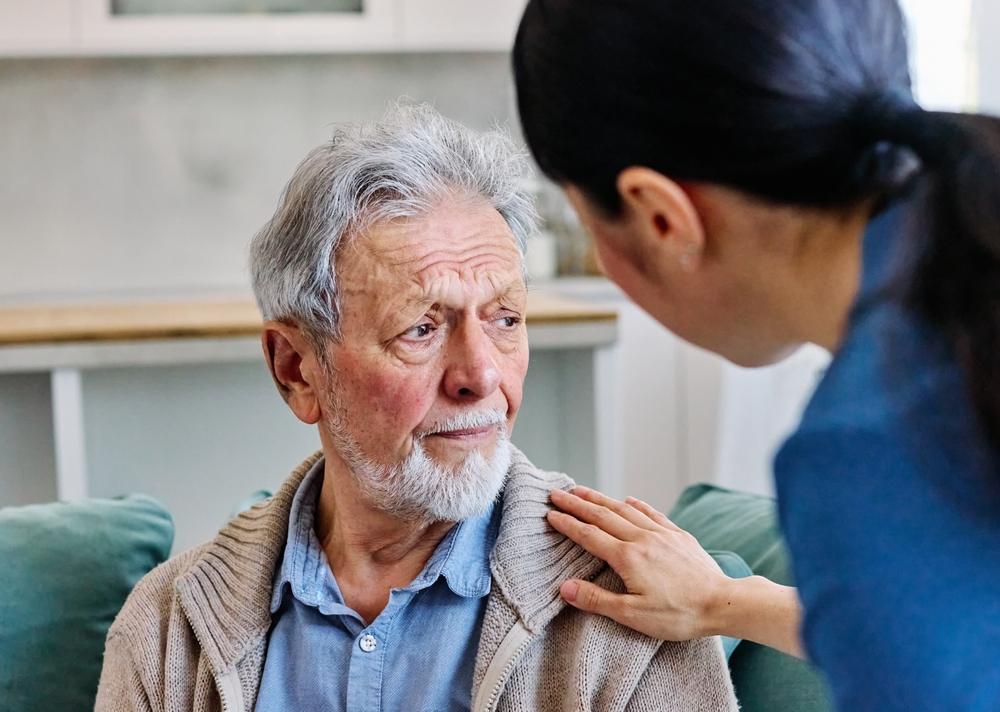
One of the most painful realities about sexual abuse in nursing homes is how often it is hidden. Survivors may be unable to speak because of strokes, dementia, or other conditions. Others fear retaliation or worry that no one will believe them. Some have been told that their family will be hurt if they say anything, or they have been conditioned over time to feel ashamed.
Facilities themselves sometimes contribute to silence by failing to investigate complaints, not reporting incidents to authorities, or moving accused staff to other locations rather than terminating and reporting them.
Families may also struggle to accept that abuse could happen to someone they love, especially in a place they researched carefully and chose with the best intentions. aSurvivors deserve to be heard, regardless of age, cognitive ability, or how much time has passed.
How to Respond If You Suspect Sexual Abuse
If you believe a loved one has been the survivor of sexual abuse in a nursing home or care facility, your response in the first hours and days can make a significant difference. Acting quickly helps preserve evidence, protect the resident from further harm, and begin the process of accountability.
Steps to take when you suspect abuse:
- Ensure the resident's immediate safety by removing them from contact with the suspected abuser
- Seek medical attention from a provider outside the facility, ideally one trained in sexual assault examinations
- Report the suspected abuse to local law enforcement
- File a report with your state's Adult Protective Services agency
- Contact your state's long-term care ombudsman program
- Notify the facility's administration in writing and request a copy of their internal report
- Document everything you observe, including dates, times, names, and detailed descriptions
- Preserve clothing, bedding, and other items that could contain evidence
After the immediate steps are taken, families often need time to process what has happened and consider their next moves. Reaching out to a compassionate legal team that handles these sensitive cases can help you understand your loved one's rights and the path forward.
Federal and State Protections for Nursing Home Residents
Residents of nursing homes and care facilities are protected by a range of federal and state laws designed to ensure their safety, dignity, and access to justice. The Nursing Home Reform Act of 1987, part of the Omnibus Budget Reconciliation Act, established a Resident's Bill of Rights that includes the right to be free from physical or mental abuse.
The Elder Justice Act, passed as part of the Affordable Care Act, requires certain long-term care facilities to report suspected crimes against residents to law enforcement.
State laws also provide important protections. Mandatory reporting laws require certain professionals, and in some states all adults, to report suspected abuse of older adults or vulnerable residents. Adult Protective Services agencies in every state investigate reports of abuse and can intervene to protect residents.
Civil law also provides a path to justice. Survivors of sexual abuse, or their families and legal guardians, can file civil lawsuits against the abuser and the facility that failed to protect them. These cases can result in financial compensation that helps cover medical care, mental health treatment, relocation costs, and the lasting impact of the abuse.
Holding Care Facilities Accountable Through Civil Action
When sexual abuse happens in a nursing home or assisted living community, the abuser is not the only party who may be legally responsible.
Facilities have a duty to screen employees, supervise staff, train caregivers, respond to complaints, and provide a safe environment. When they fail to meet these responsibilities, civil law allows survivors and their families to hold them accountable.
Civil claims may be based on theories such as:
- Negligent hiring, retention, or supervision of staff
- Failure to perform adequate background checks
- Failure to investigate or respond to prior complaints
- Inadequate staffing or training
- Breach of the duty of care owed to residents
- Fraud or misrepresentation about the facility's safety record
A successful civil case can do more than provide financial recovery. It can force facilities to change their policies, improve training, and invest in better protections for current and future residents. Civil litigation is also a powerful way to send a message that the safety of older adults and people with disabilities matters.
FAQs for Warning Signs of Sexual Abuse in a Nursing Home or Care Facility
Below are answers to common questions families ask when they are concerned about possible abuse in a nursing home or assisted living community.
Can a person with dementia be a survivor of sexual abuse even if they cannot remember what happened?
Yes. Memory loss does not mean abuse did not occur. Physical evidence, behavioral changes, and observations from family or other staff members can all support a case. People with dementia are protected by the same laws as anyone else, and their inability to consent to sexual contact is a key part of why these cases are so serious.
Who is most often responsible for sexual abuse in care facilities?
Abusers can include staff members, contracted workers, other residents, visitors, and occasionally family members of other residents. Facilities have a legal duty to screen, train, and supervise everyone who interacts with residents, regardless of their role.
What should I do if the facility denies my concerns?
If the facility refuses to investigate or dismisses your concerns, take your report to outside authorities. Contact local law enforcement, your state's Adult Protective Services agency, and the long-term care ombudsman program. You may also want to speak with an attorney who handles sexual abuse cases.
How long do I have to file a civil lawsuit for nursing home sexual abuse?
The time limit, called the statute of limitations, varies by state and by the type of claim. Some states have extended or eliminated time limits for sexual abuse cases, especially those involving vulnerable adults. A consultation with an attorney can help clarify the deadlines that apply to your loved one's situation.
What if the abuser has died or no longer works at the facility?
Civil claims can still move forward against the facility itself, and sometimes against the estate of a deceased abuser. The facility's liability for failing to prevent the abuse does not disappear simply because the individual abuser is no longer present.
How do I pay for a lawyer to handle a nursing home sexual abuse case?
Most attorneys who handle these cases work on a contingency fee basis, which means there is no upfront cost. The attorney is only paid if the case is successful, and the fee comes from the recovery rather than out of the family's pocket.
Speak With Compassionate Attorneys Who Will Listen
If you believe a loved one has been a survivor of sexual abuse in a nursing home or care facility, you do not have to face this alone. At Horowitz Law, we have spent decades fighting for survivors and holding institutions accountable for the harm they allow.
We understand how painful and confusing this time can be, and we promise to treat you and your family with the dignity, patience, and respect you deserve.Our attorneys offer free, confidential consultations, and you will never owe us a fee unless we win your case. Call us today at 954-641-2100 to speak with a member of our team. We are here to listen, to believe, and to help you take the next step toward justice.